
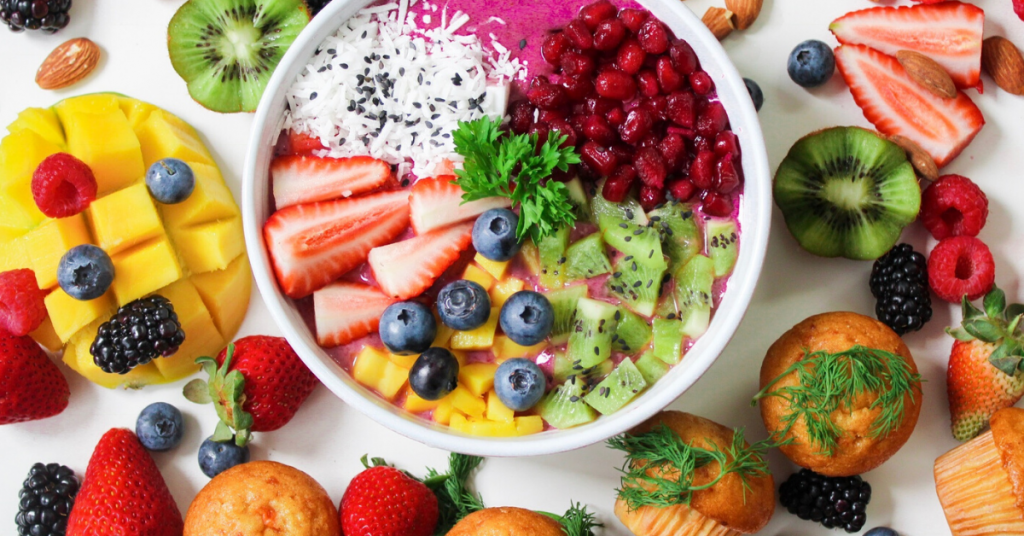
Anytime you see a rainbow in the sky, the first thing that comes to mind is to admire the beauty of nature. Same way when you are at a grocery store, and you see the array of fruits displayed, it’s quite easy to spot with the bright colours. Nature is fascinating, and it would interest you to know that certain colours of foods – especially fruits and vegetables, are known to contain essential nutrients that are good for your body.
What is the Rainbow diet?
The rainbow diet created by Dr. Deanne Munich aims to add a variety of fruits and vegetables with different colours to your meal. It is said that each colour of the rainbow cares for the seven systems of the body: heart, thyroid, digestive system, reproductive gland, adrenals, pituitary gland, and pineal gland.
ALSO, READ: NUTRITIONAL THERAPY
Benefits of eating a colourful diet
The Reds: Tomatoes, Red bell peppers, watermelon, strawberries, cherries are examples, and they contain lycopene- a phytochemical that can help protect against certain diseases such as, prostate and breast cancers, diabetes.
The Yellows: Some examples include; Pineapple, banana, squash, zucchini, papaya. These foods are a great source of vitamin c. Bromelain is an enzyme in pineapple, which is also known to ease digestion, as well as reduce inflammation.
The Greens: This is likely the commonest easily adapted. Green fruits and vegetables like spinach, kale, celery, broccoli, and a lot more, are great immune system boosters as they are packed full of vitamins, antioxidants, fibre, and minerals.
The Oranges: You might have heard eating carrots is good for the eye, skin, and heart health. Beta-carotene, vitamin c, flavonoids, lycopene are contained in orange-coloured foods, and they help prevent free radicals damage to your DNA. Other examples include orange bell peppers, sweet potatoes, oranges, pumpkins, and more.
The Purples/ Blues: These are foods that have deep colours like blueberries, currants, eggplant, blackberries, radishes, and are associated with the brain functions, as well as keeping the heart-healthy. They also help reduce inflammation in the body.
The Whites: Fruits and vegetables in this category contain nutrients that lower high blood pressure, great immune boosters, and equally lower the level of bad cholesterol in your body. Some examples are onions, garlic, gingers, white potatoes, amongst others.
In conclusion, the human body needs a variety of nutrients to function normally. Adding colours to your diet would do much good, as numerous studies have associated it with a lower risk for some diseases.
In your daily diet, have you been consuming a variety of colours in your meal? Or perhaps you have been sticking to the same meal, week in and out? Challenge yourself to add fruits and vegetables in each colour of the rainbow. Feel free to drop a comment or send a mail if you have any question(s) about your diet.


2 thoughts on “Rainbow Diet: Adding colour to your meal.”
This is helpful. Thank you so much ma
I’m glad you liked it, you’re welcome.